



I'm Anna Bardos — a Filipina born and raised in Manila, Philippines, now based in Kuala Lumpur, Malaysia, serving clients worldwide. I'm a problem solver first, and when you work with me, you work directly with me from brief through delivery — across web & app design, QA testing, data management, and visual design, shaped by 13+ years working across IT, marketing, design, enterprise systems, data, and QA.
Every stage added a way of thinking I still use — none of them replaced the one before it.
Even as a kid, if I saw something broken or something that wasn't working the way it should, my instinct was to understand what was wrong and find a way to fix it. That hasn't really changed — the problems are just different now: a website that isn't working properly, an app or interface that's confusing to use, a business process that's unnecessarily complicated, CRM data that's become a mess, a visual that isn't communicating clearly, or a bug nobody caught before release. I investigate. I learn what I need to learn. I understand the problem. Then I work out a practical solution. The tools have changed. The instinct hasn't. I'm a problem solver first — web & app design, QA testing, data management, and visual design are the disciplines I've built around that instinct.
I moved to Kuala Lumpur in 2017, after marrying a Malaysian whose career — in the Malaysian police force — was already established here. Rather than build a marriage across two countries, we chose to build our life together in Malaysia, and that move also marked the start of building my career online. Here's how that career actually developed:
I started in IT — troubleshooting hardware, maintaining systems, and supporting the people who depended on them working. Backed by a background in information technology, it's where I first learned to think in systems: what's happening underneath the interface, not just what's on the screen.
From there, my work moved into marketing, design, and web content — years spent building campaigns, designing for brands, and maintaining websites. It's where I learned that design isn't decoration: every layout has to say something to a specific audience, and get them to act.
One long-running role put design and QA in the same job description — testing web applications and e-commerce workflows on one side, designing the visual assets and prototypes on the other. Doing both changed how I do either: I design with an eye for how something will behave, and test with an eye for how it should look and feel.
Later, in an enterprise environment, I worked across CRM systems, business requirements, and QA support at the same time — translating what a business needed into technical specifications, then testing whether what got built actually met them. Structured process stopped being a nice idea and became the only thing holding something that complex together.
The most recent chapter has been large-scale data work — cleaning, structuring, and maintaining CRM data at scale, and building the reporting a business needs to trust its own numbers. It's shown me how much of a website's or a workflow's success depends on the data underneath it being right.
Today, that's the practice — web & app development, QA testing, CRM and data management, and visual design, brought together within each client relationship instead of handed off between departments.
A project moves through the same loop, whichever piece I'm working on:
See how this plays out service by service → Services
A clear process from first agreement to final delivery — with defined checkpoints along the way.
Scope, deliverables, timeline and terms are confirmed before the project begins.
I send a project brief/checklist and collect the files, brand assets, references, logins or access I need.
For larger projects, we align on priorities, expectations and direction. Smaller projects can often begin asynchronously without unnecessary meetings.
I get to work based on the project — Web & App Design, QA Testing, Data Management, Visual Design, or a combination of disciplines.
I share progress at appropriate checkpoints, test the work, resolve issues and collect focused feedback.
Final files, website/app handover, documentation, access details or completed data work are organised and delivered clearly.
Where applicable, I can continue with maintenance, improvements, additional work, reporting, updates or future phases.
Scope, deliverables, timeline and terms are confirmed before the project begins.
I send a project brief/checklist and collect the files, brand assets, references, logins or access I need.
For larger projects, we align on priorities, expectations and direction. Smaller projects can often begin asynchronously without unnecessary meetings.
I get to work based on the project — Web & App Design, QA Testing, Data Management, Visual Design, or a combination of disciplines.
I share progress at appropriate checkpoints, test the work, resolve issues and collect focused feedback.
Final files, website/app handover, documentation, access details or completed data work are organised and delivered clearly.
Where applicable, I can continue with maintenance, improvements, additional work, reporting, updates or future phases.
Some of the businesses whose design, web, data, or QA work I've been part of — as an employee, a contractor, and a direct client.




“Hired Anna for different tasks. Started with some graphics worked at first and now she is in charge of testing and of new developed websites. She works closely with the developers and keeps track of milestones to assure these are finished on time. Especially her website testing on every device, where she documents all bugs with precise descriptions and correlating Screencasts keeps developers on track. Anna is realiable and good in what she does - always open to learn new skills. Highly recommended.”
See more of the work → View My Work
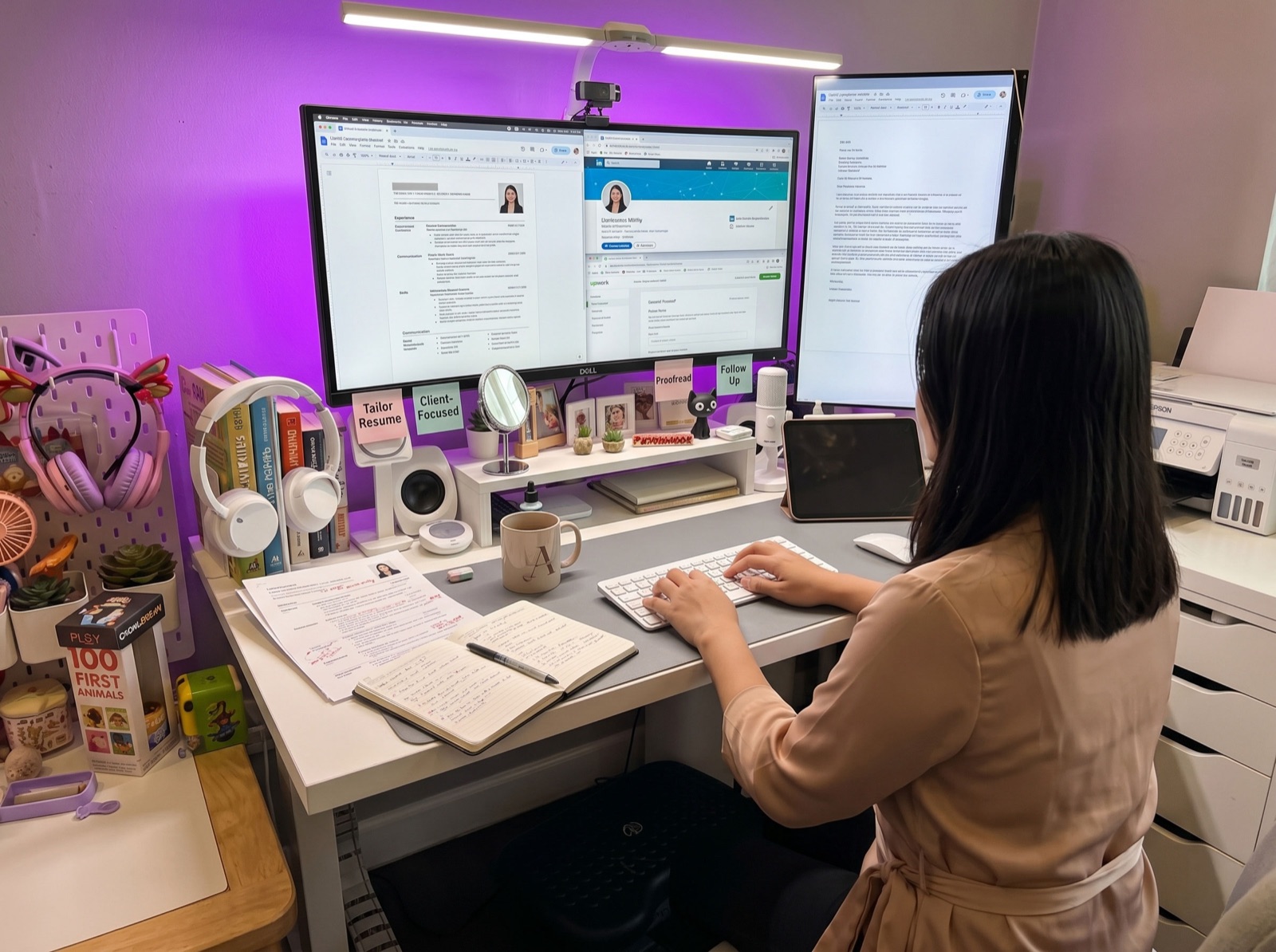
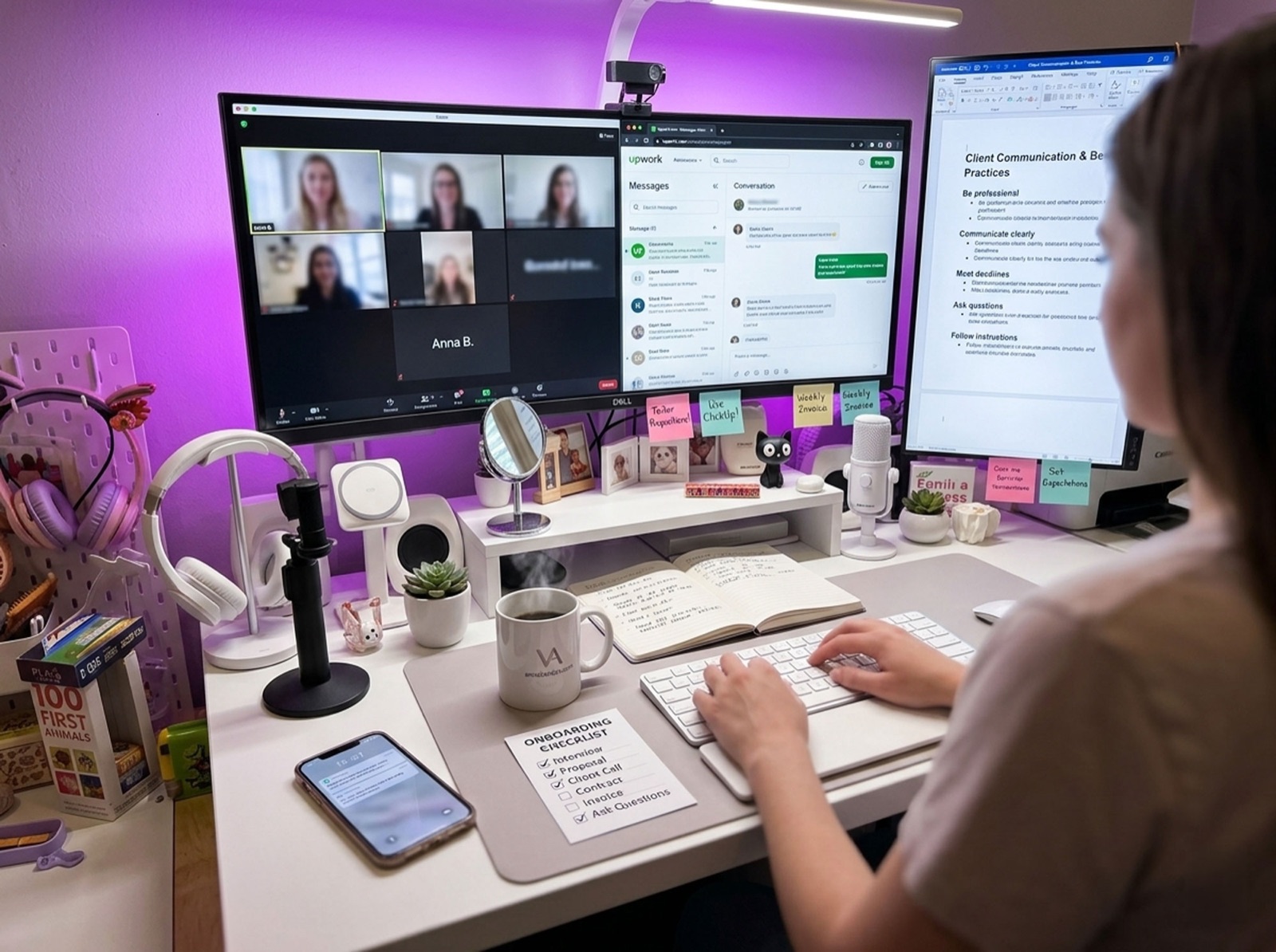
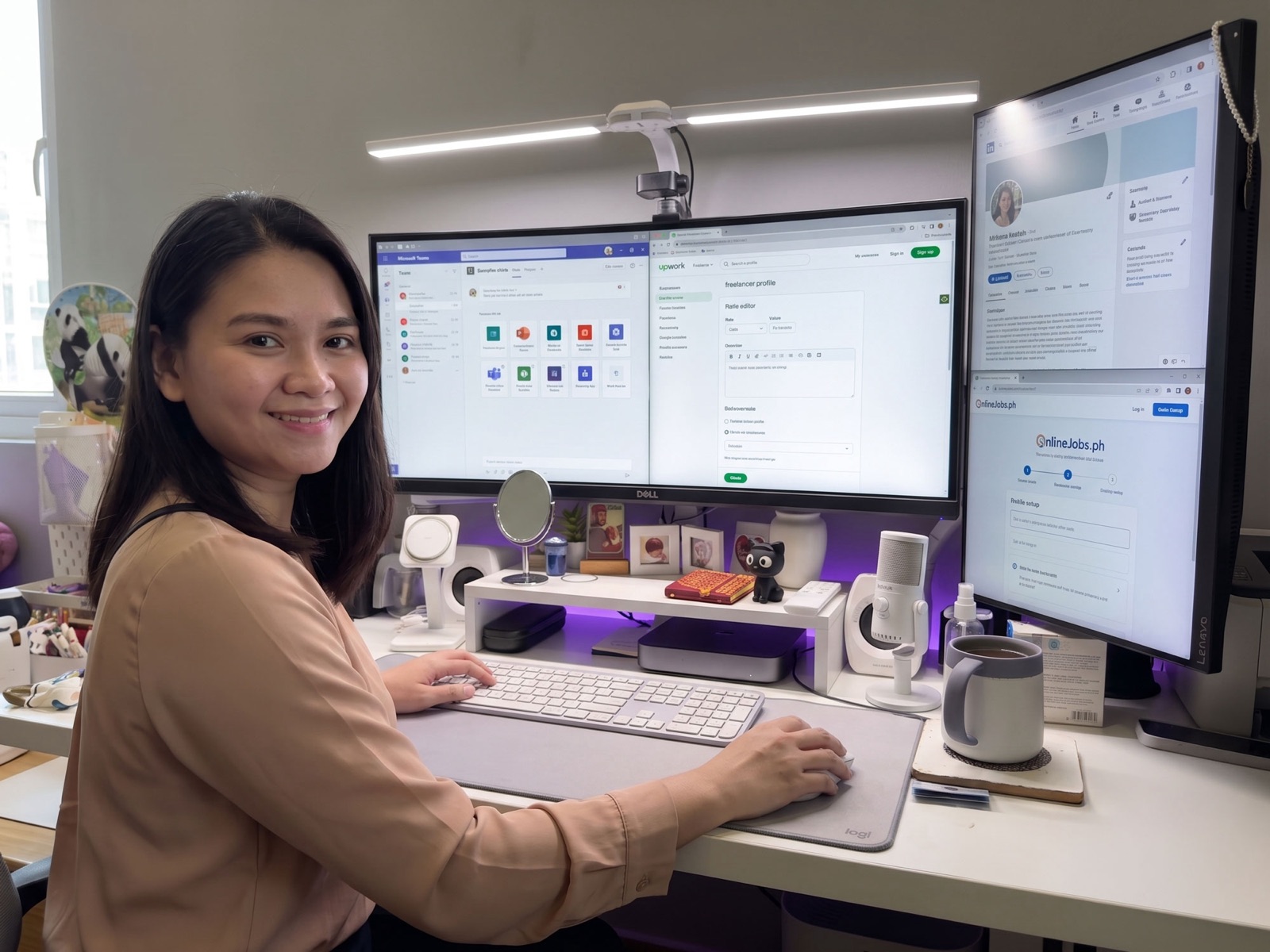
This is Kuala Lumpur, where the work actually happens. Many of the clients I work with are in different time zones, so projects often run asynchronously — with clear messages and documentation that hold up on their own, and a video call when it's worth the overlap.
Some of this reflects years of professional experience. Some reflects the tools I currently build with. Together, they support the practice — they're not the main reason to hire me.
Tell me what you're building, improving, organizing, or trying to fix. Most projects touch more than one of these disciplines — that's exactly where I'm most useful.